
5 Reasons Diesel Trucks Can Fail CARB Smoke Opacity Testing in the Inland Empire
Your diesel truck may run fine and still fail a CARB smoke opacity test. Discover five common engine and emissions problems behind excessive exhaust smoke, how technicians diagnose them, and what Fontana fleet owners can do to prepare for a successful retest.
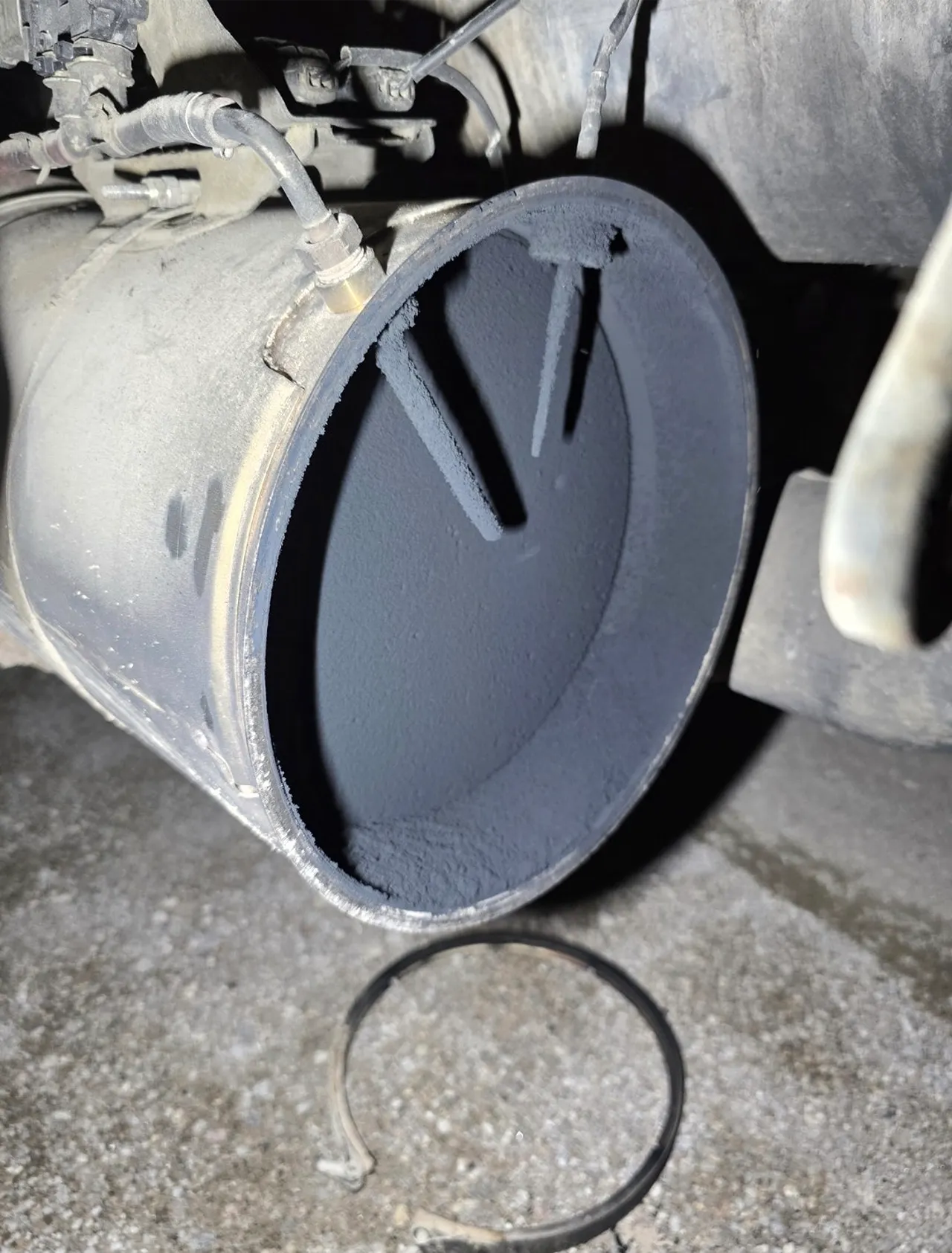
An older diesel truck pulls into a testing facility, runs through its required emissions check, and fails because its exhaust produces too much smoke. The engine might still run, but restricted airflow, faulty fuel delivery, or other mechanical problems can push emissions beyond acceptable limits. Understanding these issues before smoke opacity testing can help you avoid repeat failures and unnecessary downtime.
Which Diesel Trucks Require CARB Smoke Opacity Testing?
Not every commercial diesel truck needs a smoke opacity test. Under California's Clean Truck Check program, the testing method generally depends on the engine model year rather than the truck's model year.
For covered vehicles, the requirements are:
- 2012 and older diesel engines: Generally require smoke opacity testing and a Vehicle Emissions Control Equipment Inspection.
- 2013 and newer diesel engines: Generally require on-board diagnostics (OBD) emissions testing instead.
- Certain vehicles with off-road engines: May require opacity and visual inspections regardless of engine model year.
The heavy-duty diesel opacity test measures how much light diesel exhaust blocks during a prescribed testing procedure. Higher opacity readings indicate denser smoke, which can signal excessive particulate emissions.
For older heavy-duty tractors, qualifying medium-duty delivery trucks, and regional freight vehicles, the test helps identify emissions problems that routine operation might not reveal.
Importantly, a truck can fail the required visual inspection even when its measured smoke opacity is acceptable. CARB also applies different opacity standards depending on the engine and emissions configuration, so operators should consult the current CARB testing requirements.
1. How Do Clogged Air Filters Cause Smoke Opacity Test Failures?
A diesel engine needs sufficient oxygen to burn fuel efficiently. When a clogged air filter restricts airflow, combustion can become incomplete, creating additional soot and black exhaust smoke.
For commercial fleets operating around Fontana's Valley Boulevard industrial corridor, consistent air filter maintenance is particularly important. Trucks that accumulate high mileage or operate in dusty environments may develop intake restrictions between scheduled inspections.
Common warning signs include:
- Black smoke during acceleration.
- Sluggish throttle response.
- Reduced engine power.
- Increased fuel consumption.
- Restricted airflow readings during inspection.
However, replacing an air filter without checking the surrounding intake system might not solve the problem. Damaged intake ducting, blocked air passages, or faulty airflow sensors can also contribute to poor combustion.
Before scheduling CARB smoke opacity testing, have a technician inspect the filter, air intake components, and relevant sensor readings. Correcting restricted diesel engine airflow can improve combustion and reduce soot production.
2. Why Can Worn Fuel Injectors Cause Excessive Diesel Exhaust Smoke?
Fuel injectors deliver precisely metered diesel fuel into the engine's combustion chambers. When injectors wear, leak, or develop poor spray patterns, the fuel may not mix properly with incoming air.
The result? Incomplete combustion and increased particulate emissions.
A truck experiencing diesel fuel injector problems may also show rough idling, reduced performance, unusual engine noise, or black smoke under acceleration.
These problems are particularly concerning for older diesel tractors and medium-duty delivery trucks that accumulate significant operating hours.
Technicians can investigate injector performance using electronic diagnostics, fuel-system checks, cylinder contribution testing, and manufacturer-approved procedures.
Depending on the findings, repairs may involve injector replacement, electrical repairs, or correction of fuel-pressure problems.
Don't assume every smoking engine needs new injectors. Proper diesel fuel system diagnostics help identify the actual fault before expensive components are replaced.
3. Can Turbocharger and Boost Problems Make a Diesel Truck Fail?
Absolutely. A turbocharger compresses incoming air so the engine can burn fuel efficiently while producing the power needed to move heavy loads.
When a turbocharger fails to deliver sufficient boost, the engine may receive less oxygen than its fuel delivery requires. That imbalance can increase soot production and lead to excessive exhaust smoke.
Common causes of diesel turbocharger problems include:
- Worn turbocharger bearings or damaged compressor components.
- Leaking charge-air cooler connections.
- Cracked intake or boost hoses.
- Faulty boost-pressure sensors.
- Malfunctioning turbocharger control mechanisms.
A leaking charge-air system can produce symptoms similar to a failing turbocharger, including weak acceleration and black exhaust smoke.
For regional freight trucks travelling along I-10 and I-15, unresolved boost problems can also reduce pulling power and affect fuel efficiency.
Technicians should compare actual boost pressure against manufacturer specifications and inspect the charge-air system for leaks.
Accurate turbocharger boost pressure testing can identify whether the issue involves the turbocharger itself, its controls, or the surrounding intake components.
4. How Can Damaged Emissions-Control Equipment Affect CARB Testing?
A truck's emissions-control system plays an important role in limiting pollutants before exhaust leaves the tailpipe.
Depending on the engine configuration, this equipment may include a diesel particulate filter (DPF), diesel oxidation catalyst, exhaust gas recirculation components, and other emissions-control devices.
A damaged or ineffective DPF can allow excessive particulate matter to escape. Missing, disconnected, modified, or malfunctioning components can also create compliance problems.
However, there's an important distinction: a defective emissions component doesn't automatically mean the truck exceeded the measured opacity limit.
During the required Vehicle Emissions Control Equipment Inspection, a credentialed tester separately checks applicable emissions equipment for compliance.
Consequently, a truck might pass its smoke measurement but still fail its visual inspection because required equipment is missing or defective.
Qualified technicians should inspect the exhaust system, evaluate aftertreatment faults, and complete compliant diesel emissions system repairs using appropriate approved components.
Removing emissions equipment or bypassing its operation is not a legitimate repair solution.
5. Can Engine Wear or Incorrect Fuel Calibration Cause Excessive Smoke?
Yes. Even when the intake and turbocharger operate correctly, internal engine problems can interfere with complete combustion.
Low cylinder compression, worn piston rings, valve problems, and incorrect fuel injection timing can reduce combustion efficiency and increase soot production.
These conditions can develop gradually, particularly in older high-mileage engines.
Incorrect fuel-system calibration can also deliver fuel at the wrong time or in unsuitable quantities. Unauthorized engine control module modifications may create additional emissions and compliance concerns.
Technicians may use diesel engine compression testing, cylinder performance checks, fuel-system measurements, and manufacturer-approved calibration procedures to identify the problem.
For an aging diesel fleet, addressing underlying mechanical wear can prevent repeated opacity failures and potentially more expensive engine repairs.
What Should You Do After a Failed CARB Smoke Opacity Test?
A diesel smoke test failure doesn't automatically mean the engine needs a complete overhaul. The priority is identifying the mechanical problem responsible for excessive smoke.
Follow these steps before arranging another compliance test:
- Review the test results. Confirm whether the truck exceeded its applicable opacity limit, failed the visual inspection, or experienced another testing issue.
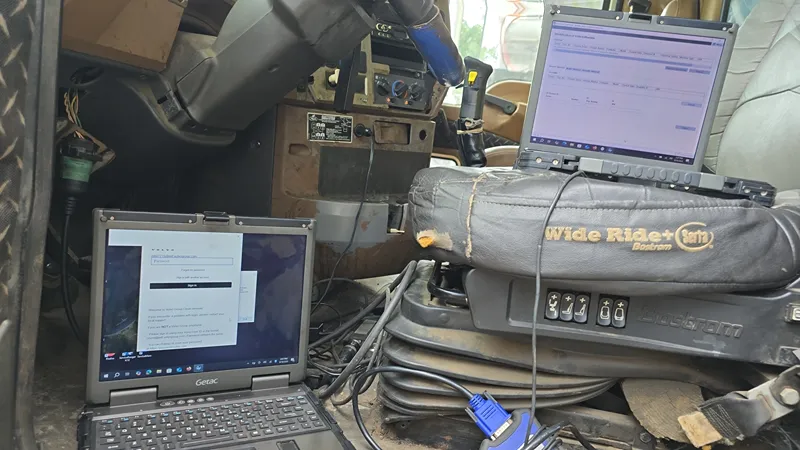
- Request a diesel diagnostic inspection. Have a qualified technician evaluate the air intake, fuel injection, turbocharger, emissions equipment, and engine condition.
- Complete necessary repairs. Correct confirmed defects using appropriate replacement parts and manufacturer-approved procedures.
- Verify the repairs. Check engine operation, remaining fault conditions, and emissions performance before retesting.
- Arrange a compliance retest. Use a CARB-credentialed tester and confirm that a passing result is successfully submitted.
Fleet owners can check deadlines and reported results through CARB's Clean Truck Check Vehicle Inspection System, known as CTC-VIS.
CARB allows passing compliance tests to be submitted up to 90 days before the applicable deadline, helping operators leave time for repairs and retesting.
How Can Fontana Fleets Prepare for Smoke Opacity Testing?
October offers a practical opportunity to review maintenance records after summer operations and plan ahead for year-end freight demand.
For fleets serving South Fontana's warehouse and distribution districts, scheduling diesel emissions testing in the Inland Empire before deadlines become urgent can help protect dispatch schedules.
Review engine warning signs, confirm the correct testing method, and check each truck's deadline in CTC-VIS. There is no universal October testing deadline; your vehicle's individual compliance schedule determines when testing is due.
Schedule Smoke Opacity Testing in Fontana, CA
Clogged filters, faulty injectors, boost leaks, emissions-control defects, and engine wear can all contribute to unsuccessful CARB inspections.
If your truck needs smoke opacity testing in Fontana, CA, call 951-588-8000 to speak to a member of our team at OnSite Truck & Equipment Repair, and we’ll find a time that best fits your schedule.
FAQs
What causes a diesel truck to fail a smoke opacity test?
Common causes include restricted airflow, malfunctioning fuel injectors, insufficient turbocharger boost, defective particulate-control equipment, and poor engine mechanical condition. These problems can increase soot production or allow excessive particulate matter into the exhaust.
Do all diesel trucks in Fontana need smoke opacity testing?
No. Under CARB Clean Truck Check, covered trucks with 2012 and older diesel engines generally require opacity and visual inspections. Those with 2013 and newer diesel engines generally require OBD emissions testing, with exceptions for certain specialized engine configurations.
Can a truck fail CARB testing without producing excessive smoke?
Yes. An applicable non-OBD truck can pass its opacity measurement but fail the separate visual emissions-equipment inspection. OBD-equipped trucks can also fail their required diagnostic emissions tests without producing visible black smoke.
How soon can I schedule a CARB compliance test?
CARB permits credentialed testers to submit passing tests up to 90 days before the vehicle's compliance deadline. Check CTC-VIS for your specific deadline and allow additional time for repairs and retesting.
Who can perform CARB Clean Truck Check smoke opacity testing?
A CARB-credentialed tester must perform the applicable compliance test using suitable testing equipment. For non-OBD diesel vehicles, the tester also performs the required emissions-control equipment inspection and submits the passing results to CARB.
More Articles

Contact OnSite Truck & Equipment Repair
Need roadside assistance, have questions, or want to schedule your truck or trailer in for service in Fontana, CA? Get in touch with OnSite Truck & Equipment Repair, we're open Monday through Friday from 7:00am to 4:00pm.