
Before Fall Freight Picks Up, Inspect These Systems on Your Fontana Commercial Trucks
September gives Fontana fleets a smart window to catch summer wear before fall freight gets busier. Inspect cooling, batteries, tires, brakes, fluids, steering, and suspension now to reduce breakdown risks and keep commercial trucks ready for demanding routes.
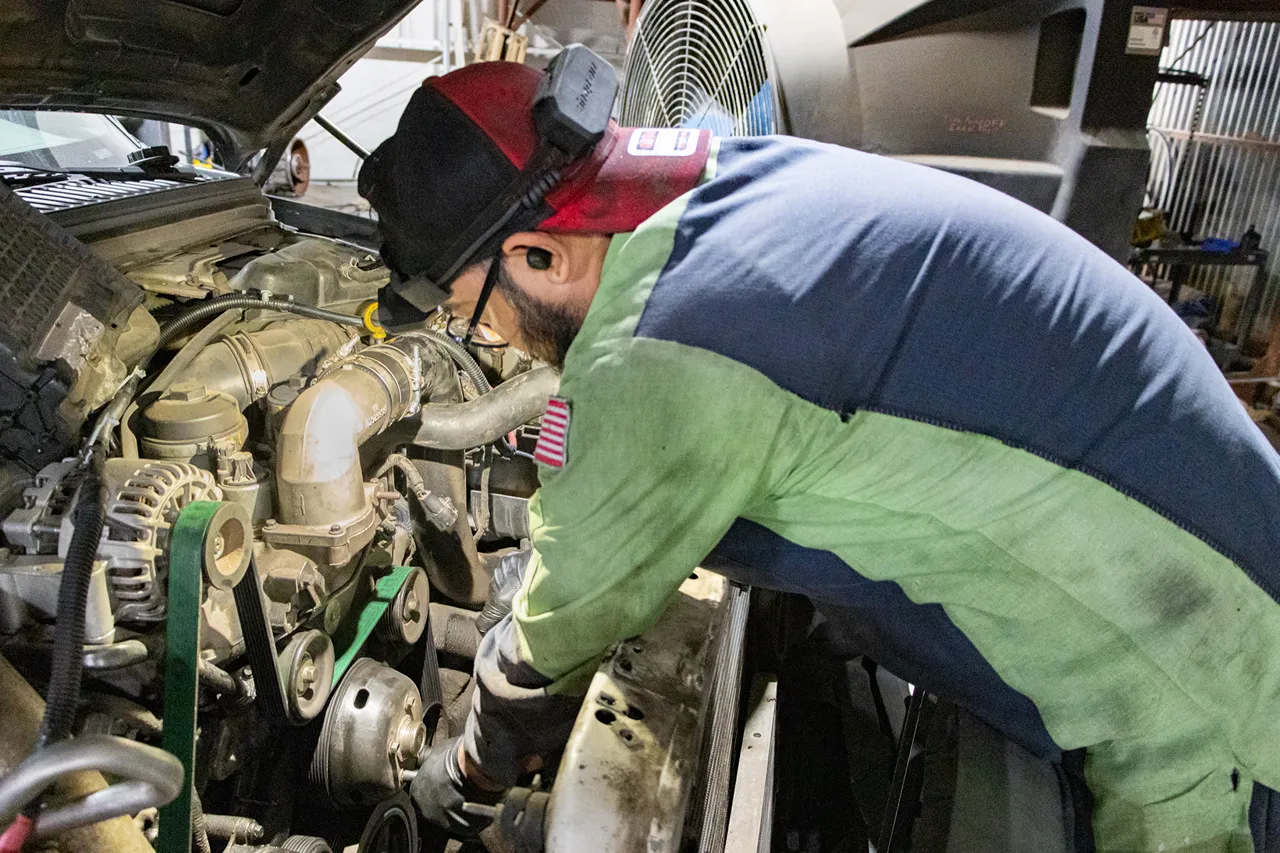
September may sound like the start of cooler weather, but Fontana trucks are often still working through serious heat, freeway mileage, idling, and warehouse traffic. Those summer operating conditions can leave behind wear that does not announce itself until a truck is already under a tighter schedule.
That is why Fontana commercial truck maintenance matters before fall and year-end distribution demands build. A planned inspection now can help you catch developing problems while you still have room to schedule repairs instead of dealing with roadside downtime.
Why Is September a Smart Preventive-Maintenance Window for Fontana Fleets?
Fontana sits at the centre of major Southern California freight movement, with I-10, I-15, and SR-210 connecting industrial areas to destinations throughout the Inland Empire and beyond. Trucks working around the Southwest Industrial Park and the broader I-10 industrial corridor may rack up highway miles, loading cycles, idle time, and stop-and-go operation long before fall freight schedules intensify.
That workload makes September a practical time for commercial truck preventive maintenance. You are not preparing for an entirely new season so much as checking what summer heat and heavy use may already have worn down.
For Class 6–8 trucks, box trucks, tractor-trailers, service vehicles, and distribution fleets, six systems deserve particular attention.
1. Inspect the Heavy-Duty Truck Cooling System Before the Heat Is Finished
Southern California heat does not disappear because the calendar says fall is coming. Your cooling system still has to control engine temperature while trucks idle at facilities, crawl through traffic, and run long stretches on I-10 or I-15.
Start with the coolant level and condition. Then inspect the radiator, hoses, clamps, belts, visible connections, water pump area, and cooling fan operation.
Your cooling system moves coolant through the engine to absorb heat before sending it to the radiator, where that heat can dissipate. At lower vehicle speeds, proper fan operation becomes especially important because the truck receives less natural airflow through the radiator.
Watch for:
- Low or contaminated coolant
- Cracked, swollen, or soft hoses
- Loose or damaged clamps
- Visible coolant leaks
- Belt cracking, glazing, or fraying
- Signs of water pump leakage or failure
- Abnormal engine temperatures
- Cooling fan or fan-clutch concerns
Catching these issues early is far easier than diagnosing an overheating truck on the shoulder during a busy delivery day.
2. Test the Truck Battery and Charging System
Heat can be hard on batteries, cables, and electrical connections. Meanwhile, your truck depends on electrical power for starting, lighting, controls, HVAC components, and other equipment that cannot afford intermittent voltage.
Check battery condition, terminals, cables, and connections for looseness or corrosion. Test charging output as well, especially if drivers have reported slow cranking, dimming lights, repeated jump-starts, or electrical behaviour that comes and goes.
The alternator recharges the battery and supplies electrical power while the engine runs, making the battery and charging system closely connected. A charging failure can eventually leave the truck operating only on remaining battery power.
A scheduled commercial truck electrical inspection can help identify weak components before a no-start turns into a missed route.
3. Check Commercial Truck Tires and Brakes After Heavy Summer Use
Hot pavement, heavy loads, warehouse traffic, and sustained freeway driving all put tires and brakes to work. Before schedules become less forgiving, give both systems a thorough look.
For tires and wheels, inspect:
- Tire pressure
- Tread depth and condition
- Uneven or irregular wear
- Cuts, cracking, bulges, and sidewall damage
- Wheel condition
- Lug condition
Uneven tire wear can also provide a clue that another system needs attention. Steering or suspension wear, for example, can contribute to handling problems and accelerated tire wear.
Your heavy-duty brake inspection should be equally thorough. Depending on the truck and brake configuration, check brake lining or pad condition, drums or rotors, adjustment, parking brake operation, air system condition, air leaks, and trailer brake connections.
On air-brake-equipped trucks, compressed air activates components within the brake assembly to create the friction required to slow the vehicle. Because so many parts work together, deterioration anywhere in the system deserves prompt attention.
4. Inspect Truck Belts, Hoses, and Fluids for Summer Wear
Small leaks and worn rubber components have a nasty habit of becoming bigger problems at inconvenient times. September gives you a chance to find them before additional fall mileage stacks up.
Inspect serpentine and accessory belts for cracking, fraying, glazing, or other obvious wear. Check hoses for cracks, soft spots, swelling, leaks, and damaged connections.
Then review key fluid levels and conditions as applicable to the vehicle:
- Engine oil
- Engine coolant
- Transmission fluid or gear oil
- Power-steering fluid
- Diesel exhaust fluid
- Differential lubricant where due for service
Fluids perform critical jobs throughout a heavy-duty truck, including lubrication, cooling, hydraulic assistance, and emissions-system operation. Keeping them at the correct level and servicing them according to the truck and component manufacturer's specifications supports reliable operation.
This part of fleet preventive maintenance is also a good opportunity to look underneath the truck for fresh drips or wet components that could indicate developing leaks.
5. Check the Heavy-Duty Steering and Suspension System
Frequent loads, rough industrial roads, repeated turns into warehouse properties, and thousands of summer miles can take their toll on steering and suspension parts. Wear here can affect handling, ride stability, and tire life.
Inspect steering linkage, tie rods, bushings, shocks, springs, and visible mounting points. Trucks equipped with air suspension should also receive checks of the air springs and related components for leaks or deterioration.
Suspension systems support vehicle and cargo weight while absorbing road impacts and controlling rebound movement. Shock absorbers help prevent excessive wheel movement after impacts, which supports more predictable handling.
For trucks moving between Fontana, Ontario, Rancho Cucamonga, Riverside County, and the Cajon Pass, stable steering and suspension performance should never be treated as an afterthought.
6. Look for Problems That Could Become Commercial Truck Downtime
A preventive inspection should go beyond checking boxes. Pay attention to the small symptoms drivers may have started accepting as “normal.”
Slow cranking, rising engine temperature, minor coolant loss, unusual brake response, steering looseness, new vibrations, uneven tire wear, or fluid spots beneath the truck can all justify further diagnosis. Those symptoms may be manageable today but far more disruptive once fall freight schedules become packed.
That is the real advantage of preventive maintenance for commercial trucks: you can address developing problems on your schedule instead of letting a breakdown choose the time and place.
How Does Preventive Maintenance Support California Fleet Responsibilities?
Preventive maintenance helps fleets address developing mechanical problems while also supporting the inspection and maintenance responsibilities that apply to commercial carriers.
California inspection and maintenance requirements vary according to vehicle type and carrier applicability, so fleet operators should determine which requirements apply to their specific operation. Regardless of regulatory category, maintaining inspection records and following a consistent service schedule creates a clearer picture of vehicle condition over time.
Schedule Fontana Commercial Truck Maintenance Before Fall Gets Busier
Your trucks have already worked through months of heat, freight movement, traffic, idling, and repeated delivery cycles. September is your opportunity to find accumulated wear before tighter fall schedules leave less room for unscheduled repairs.
Our team at OnSite Truck & Equipment Repair helps Fontana-area fleets inspect and service commercial trucks before minor problems turn into costly downtime. If your trucks operate around I-10, I-15, the Southwest Industrial Park, or surrounding Inland Empire routes, give us a call at 951-588-8000 today.
Frequently Asked Questions
What should I inspect on a commercial truck before fall?
Start with the cooling system, batteries and charging system, tires, brakes, belts, hoses, fluids, steering, and suspension. These systems can all show wear after prolonged summer heat, heavy loads, freeway mileage, and frequent delivery cycles.
Why is September a good time for truck preventive maintenance in Fontana?
September falls between peak summer conditions and the busier fall and year-end distribution period. It gives fleets an opportunity to identify accumulated wear while maintenance can still be planned around operating schedules.
Can summer heat affect a diesel truck's cooling and electrical systems?
Yes. High operating temperatures place additional demands on the cooling system, while prolonged heat can contribute to battery and electrical weakness. Cooling performance, battery condition, cable connections, and alternator output are all worth checking.
How often should commercial trucks receive preventive inspections?
Inspection frequency depends on the vehicle, its duty cycle, manufacturer recommendations, operating conditions, and applicable regulations. Trucks exposed to heavy loads, extensive mileage, frequent idling, or demanding routes may need inspections more frequently than lightly used vehicles.
What are warning signs that a truck needs maintenance before its next scheduled service?
Rising engine temperatures, coolant or fluid loss, slow cranking, unusual brake response, steering looseness, vibration, abnormal tire wear, warning lights, and visible leaks can all justify an earlier inspection.
More Articles
.webp)
%20(2).webp)
.avif)
Contact OnSite Truck & Equipment Repair
Need roadside assistance, have questions, or want to schedule your truck or trailer in for service in Fontana, CA? Get in touch with OnSite Truck & Equipment Repair, we're open Monday through Friday from 7:00am to 4:00pm.