
When Should a Fontana Fleet Schedule Heavy-Duty Electrical Diagnostics?
Repeated no-starts, flickering lights, charging warnings, and recurring fault codes can signal deeper electrical trouble. Learn when Fontana fleets should schedule heavy-duty electrical diagnostics before a minor fault becomes costly downtime on I-10 or I-15.
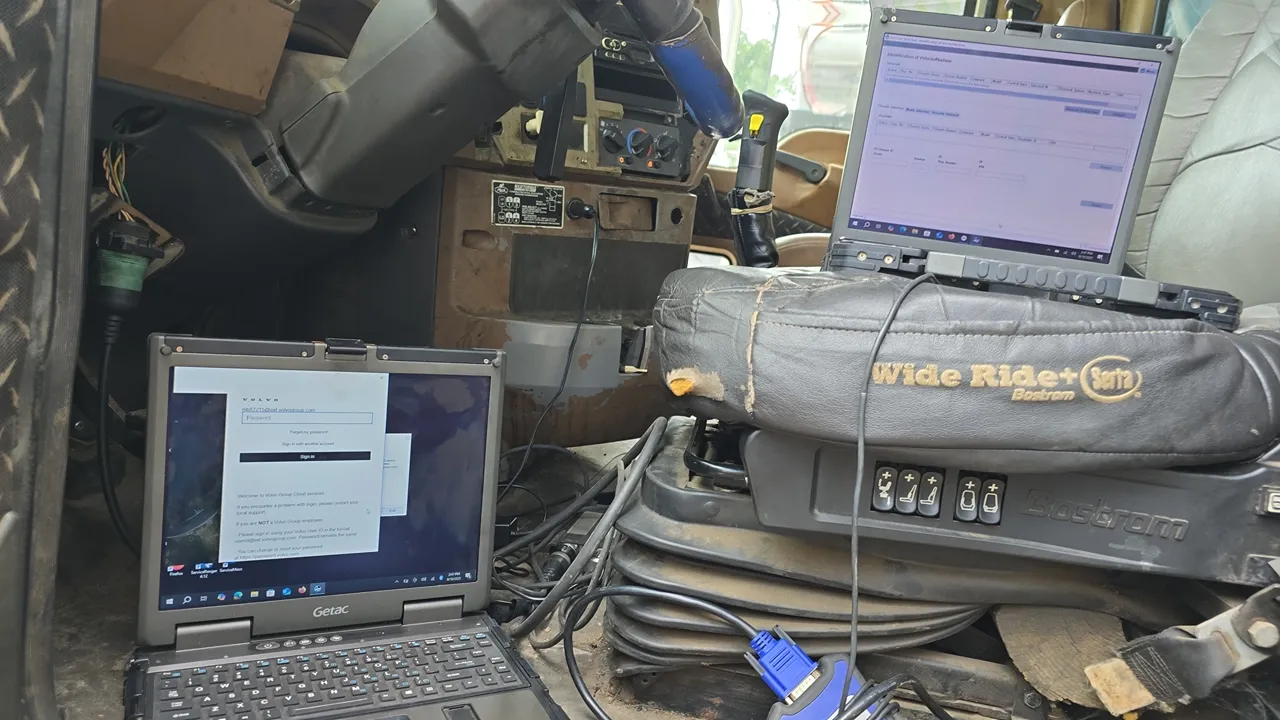
A truck that starts fine in the yard can still lose charging voltage halfway through a loaded run on I-10. Worse, electrical trouble often looks minor right up until the engine will not crank, the lights fail, or several warning codes appear at once.
For Fontana fleets, recurring no-starts, charging warnings, intermittent lighting problems, and unexplained electrical faults are signs that it is time to schedule heavy-duty electrical diagnostics. Finding the root cause early can keep a manageable shop issue from becoming a roadside breakdown.
When Should You Schedule Heavy-Duty Electrical Diagnostics?
You should schedule diagnostics when an electrical symptom repeats, appears intermittently, or returns after a basic repair. Replacing a battery, fuse, lamp, or alternator may temporarily hide a deeper problem if the actual cause is resistance, damaged wiring, a poor ground, or an excessive electrical load.
That matters for Fontana fleet maintenance, especially when your trucks move between warehouse districts, regional delivery stops, and busy freight corridors such as I-10 and I-15.
Watch closely for these warning signs:
- Repeated dead batteries or jump-starts
- Slow or inconsistent engine cranking
- Battery lights or low-voltage warnings
- Flickering headlights, dash lights, or trailer lights
- Multiple unrelated diagnostic trouble codes
- Electrical faults that appear over bumps or while driving
- Repeated blown fuses
- Accessories that work intermittently
- Recurring alternator or battery replacements
Any one of these problems can justify testing. Several appearing together make a complete commercial truck electrical diagnosis even more important.
Why Do Repeated Dead Batteries or No-Starts Need Diagnosis?
A dead battery does not always mean you have a bad battery. Your truck relies on the battery to provide electrical power during starting, while the starter motor turns the engine and the alternator restores battery charge and supplies electrical power once the engine is running.
If a recently installed battery keeps going dead, the cause could involve the alternator charging system, starter draw, damaged battery cables, weak grounds, or a parasitic electrical load.
Repeatedly installing batteries without testing the full circuit can cost your fleet money while leaving the original fault untouched.
What Does Slow or Inconsistent Cranking Tell You?
Slow cranking often points toward a voltage or resistance problem somewhere in the starting circuit. Corroded battery terminals, damaged cables, weak chassis grounds, starter problems, or poor connections can all reduce the electrical power reaching the starter.
The tricky part is that these problems may come and go. A truck may crank normally one morning and struggle later after heat, vibration, or engine movement affects the connection.
That is where starter circuit testing and voltage-drop testing become especially useful.
Why Should Charging-System Warnings Be Checked Quickly?
A battery warning light, fluctuating system voltage, or repeated alternator failure deserves more than another parts swap. The alternator provides electrical power while the engine runs and recharges the battery after starting, so a charging problem can eventually drain the available battery reserve and shut the truck down.
Proper charging system diagnostics can determine whether the issue comes from the alternator itself or from cables, grounds, connections, belt-related operation, or another circuit problem.
For a Class 8 tractor heading onto I-10 or I-15, catching weak charging performance in the yard beats discovering it under a loaded trailer miles from the terminal.
What Causes Intermittent Lights and Accessories?
Flickering headlights, trailer lights, dash illumination, HVAC blowers, and other accessories can point toward loose connections, damaged wiring, failing relays, or poor grounds.
These faults commonly become more noticeable when the truck vibrates, hits bumps, heats up, or flexes under normal operation. A wiring harness may look intact while hiding damaged conductors or a connection with too much resistance.
For warehouse and distribution fleets making frequent stops and trailer connections, trailer electrical problems deserve particular attention. Trailer plugs, terminals, wiring, and lighting circuits see repeated handling and exposure throughout the workday.
Can Low Voltage Cause Multiple Fault Codes?
Yes. Low system voltage or a weak ground can sometimes trigger several faults that appear unrelated.
Modern heavy-duty trucks depend heavily on electronic controls. When voltage becomes unstable, different modules may report communication or component faults even though several independent systems have not actually failed at the same time.
That is why technicians should avoid treating every code as proof that a component needs replacement.
A more useful diagnostic sequence is:
- Confirm the driver’s complaint.
- Test battery and system voltage.
- Inspect battery cables and grounds.
- Scan the truck for fault codes and operating data.
- Test the affected electrical circuit.
- Identify the root cause.
- Complete the repair.
- Verify that the problem is gone.
This root cause electrical diagnosis helps separate actual component failures from symptoms caused by unstable voltage or resistance elsewhere in the system.
Why Do Electrical Problems Sometimes Appear Only While Driving?
Vibration changes everything. A connector that makes good contact while the truck sits still may lose connection once the vehicle hits uneven pavement.
Heat and engine movement can have the same effect. Chafed harnesses, loose terminals, partially broken wires, and compromised grounds may only reveal themselves under operating conditions.
That creates a frustrating pattern where the truck behaves normally at the shop but develops faults during a run.
Experienced heavy-duty truck electrical testing focuses on reproducing the conditions that trigger the complaint rather than assuming an intermittent problem has disappeared.
Why Do Repeated Blown Fuses Require Circuit Testing?
A fuse protects a circuit from excessive current. If the same fuse repeatedly opens, replacing it over and over does not repair the cause.
The circuit may have damaged insulation, a short to ground, a failing component, or another electrical condition that draws more current than intended.
Repeated fuse failure should prompt circuit inspection and testing before the truck returns to regular service.
Which Electrical Systems Should a Fontana Fleet Have Checked?
A focused electrical inspection does not need to involve every wire on the truck. Technicians can narrow testing around the symptom and the circuits most likely to affect it.
Common areas include:
- Heavy-duty truck batteries
- Alternator and charging circuit
- Starter circuit
- Battery cables
- Engine and chassis grounds
- Wiring harnesses
- Connectors and terminals
- Relays and fuses
- Trailer plugs and trailer wiring
- Lighting circuits
This approach is especially useful for high-mileage commercial vehicles that accumulate vibration, heat exposure, trailer connections, and frequent starting cycles.
How Do Fontana Operating Conditions Affect Truck Electrical Systems?
Fontana's warehouse and distribution activity creates demanding operating cycles for commercial trucks. Frequent starts, short moves, loading stops, trailer swaps, extended idling, and high electrical demand can expose weaknesses that may stay hidden during long uninterrupted highway operation.
Heat also matters. After months of warm-weather operation, batteries and electrical connections may already be weakened.
Vibration and mileage add another layer. Over time, connectors can loosen, wiring can rub against surrounding components, and grounds can develop resistance.
For fleets based near Southwest Industrial Park or other Fontana warehouse and distribution districts, October is a practical time to test batteries after summer heat exposure, inspect cables and grounds, check alternator output, and look for brittle or heat-damaged wiring before year-end freight activity increases.
What Tests Are Used During Heavy-Duty Electrical Diagnostics?
Good electrical diagnosis relies on measurements rather than guesswork. Depending on the complaint, testing may include:
- Battery load testing
- Charging-system output testing
- Starter draw testing
- Voltage-drop testing
- Circuit continuity checks
- Ground testing
- Scan-tool data analysis
- Connector and terminal inspection
- Parasitic draw testing
Voltage-drop testing is particularly valuable because a cable or ground can look perfectly normal from the outside while still creating excessive resistance when current flows through it.
That distinction can prevent unnecessary component replacement.
Why Is Diagnosing Before Replacing Parts Better for Your Fleet?
Parts replacement is fast when the failed component is obvious. It gets expensive when technicians are guessing.
A repeat no-start does not automatically mean another battery is needed. A lighting fault does not always mean the bulb or lamp assembly failed. Multiple diagnostic codes do not automatically mean multiple systems broke at once.
For Class 8 tractors, refrigerated trucks, regional delivery vehicles, vocational trucks, and other high-mileage fleet equipment, accurate diagnosis helps reduce repeat repairs and unnecessary downtime.
Schedule Electrical Problems Before They Become Roadside Problems
Small electrical symptoms rarely become more convenient with time. Repeated no-starts, charging warnings, flickering lights, blown fuses, and intermittent codes should be investigated while the truck is still close to the yard.
Testing batteries, charging circuits, cables, grounds, wiring, and affected circuits can expose the root cause before an intermittent problem becomes a disabled truck. For fleets working around Fontana's distribution districts and running I-10 or I-15, that means fewer surprises once the load is already moving.
Our team at OnSite Truck Repair Services can help your Fontana fleet identify electrical problems before they turn into no-starts or roadside breakdowns. Call 951-588-8000 to schedule your heavy-duty electrical diagnostics.
FAQs
How do I know whether my truck needs a battery or electrical diagnosis?
Schedule electrical testing when a battery repeatedly goes dead, a new battery fails prematurely, or the truck requires multiple jump-starts. The underlying problem may involve charging output, cable resistance, grounds, starter draw, or an electrical load rather than the battery itself.
Can a bad ground cause multiple warning lights and fault codes?
Yes. A poor ground or unstable system voltage can sometimes affect multiple electronic modules and create faults that appear unrelated. Testing system voltage and ground integrity can help identify whether the codes share a common electrical cause.
What is voltage-drop testing on a heavy-duty truck?
Voltage-drop testing measures how much voltage is lost across a cable, connection, or ground while current flows through the circuit. It can reveal excessive resistance that may not be visible during a basic inspection.
Why does my truck have electrical problems only while driving?
Vibration, heat, bumps, and engine movement can interrupt damaged wires, loose terminals, or weak connectors. Intermittent problems often require testing under conditions that reproduce the original fault.
Should a repeatedly blown fuse simply be replaced?
No. A fuse that repeatedly opens usually indicates a circuit problem that should be diagnosed. Replacing the fuse without identifying the excessive current draw or short circuit leaves the underlying problem unresolved.
More Articles
.webp)
.webp)
%20(2).webp)
Contact OnSite Truck & Equipment Repair
Need roadside assistance, have questions, or want to schedule your truck or trailer in for service in Fontana, CA? Get in touch with OnSite Truck & Equipment Repair, we're open Monday through Friday from 7:00am to 4:00pm.